Crafting Style: A Guide to DIY Wedge Heels Shoe 3D Papercraft
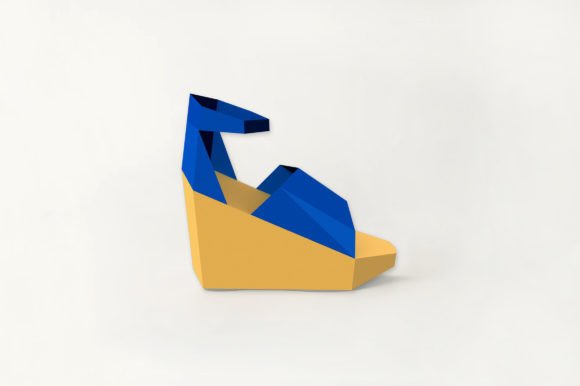
In the evolving landscape of creative hobbies and professional prototyping, the intersection of digital design and tactile assembly offers a unique satisfaction. One such project that has captured the imagination of crafters, educators, and designers alike is the DIY Wedge Heels Shoe - 3d Papercraft. This project is not merely about cutting and gluing; it is an exercise in spatial reasoning, patience, and the joy of transforming a flat sheet of paper into a three-dimensional object of utility and beauty. Whether you are a hobbyist looking for a weekend project or a professional seeking a low-cost method for visualizing footwear concepts, understanding the nuances of this digital file assembly is essential.
The Appeal of Digital Paper Engineering
The concept behind the DIY Wedge Heels Shoe - 3d Papercraft lies in its accessibility and precision. Unlike traditional sculpting which requires expensive materials and specialized tools, papercraft relies on the accuracy of digital files. When you acquire the Wedge Heel Shoe Digital Files, you are essentially downloading a blueprint. These files—typically available in PDF, EPS, DXF, and PNG formats—contain every curve, flap, and score line necessary to construct the final model.
The versatility of these file formats ensures compatibility with various workflows. For the home crafter, the PDF is often the most straightforward, designed to be printed immediately on standard A4 or Letter sized paper. For professionals using laser cutters or CNC machines, the DXF and EPS files provide vector paths that ensure clean, machine-perfect cuts. This duality makes the project suitable for a wide audience, from students learning about geometry to fashion designers creating mood boards.
Understanding the Assembly Process
One of the most frequently asked questions regarding this project concerns the time investment. The estimated Assembling Time is approximately 2 hours. This timeframe is realistic for an individual working at a steady pace, allowing for careful cutting and precise folding. It is important to note that this is not a race; the quality of the final product is directly correlated with the care taken during these two hours.
The process begins with preparation. You will need a specific set of tools to ensure the best results:
- Colored Printer: Essential for bringing the design to life with vibrant hues and textures directly on the paper.
- A4 Letter Cardstock Paper: The structural integrity of the shoe depends on the weight of the paper. Standard printer paper is too flimsy; cardstock provides the necessary rigidity to hold the wedge shape.
- Scissors and Craft Knife: While scissors handle the outer curves, a craft knife is indispensable for intricate internal cuts and sharp corners.
- Scorer or Bone Folder: Perhaps the most critical tool for a professional finish. Scoring the fold lines before bending prevents the paper from cracking and ensures crisp, clean edges.
- Non-working Ball Point Pen: An excellent alternative to a bone folder if one is not available. The dried ink allows you to trace fold lines without marking the visible side of the paper.
- Ruler: For guiding your cuts and ensuring straight scores.
- Glue: A high-quality adhesive is required to secure the flaps. White craft glue or a glue stick works well, provided it is applied sparingly to avoid warping the paper.
The instruction is simple yet demands attention: Just print the templates full size on A4 paper, cut them out, score, bend, and glue them with flaps. This simplicity masks the complexity of the engineering involved. Each flap is strategically placed to lock the structure together, creating a self-supporting form once the adhesive sets.
Dimensions and Real-World Applications
Upon completion, the Assembled Size measures 18 x 22 x 7 CMS. These dimensions make the shoe substantial enough to be a display piece but compact enough to fit on a standard shelf or desk. But what exactly can you do with a paper wedge heel?
For educators, this project serves as a fantastic tool for teaching geometry, specifically the transformation of 2D nets into 3D solids. It demonstrates concepts of surface area, volume, and structural stability in a hands-on manner. Students can experiment with different paper weights to see how material properties affect the final structure.
For fashion students and designers, the DIY Wedge Heels Shoe - 3d Papercraft acts as a rapid prototyping tool. Before committing to expensive leather, fabric, and molding processes, a designer can visualize the silhouette and proportion of a wedge heel using paper. It allows for quick iterations of design changes. If the angle of the wedge feels off, one can simply modify the digital file and print a new version in minutes, saving significant resources in the long run.
Event planners and retail display artists also find immense value in these digital files. Creating large-scale installations often requires maquettes or small-scale models to plan the layout. These paper shoes can be scaled up or used as-is to create whimsical window displays, party decorations, or artistic installations that add a pop of color and creativity without the heavy cost of manufacturing real footwear.
Evaluating Suitability and Limitations
While the project is highly rewarding, it is important to manage expectations regarding its limitations. The primary constraint is durability. Despite using cardstock, the DIY Wedge Heels Shoe - 3d Papercraft is not designed to be worn. It is a decorative or educational model. Exposure to moisture, humidity, or physical stress will damage the structure. Therefore, it is best suited for indoor display environments.
Furthermore, the success of the project relies heavily on the quality of the printing and the precision of the cutting. If the printer scales the image incorrectly (e.g., "fit to page" instead of "actual size"), the tabs and slots may not align, making assembly difficult or impossible. Users must ensure their printer settings are configured to print at 100% scale.
Another consideration is the choice of paper texture. While the digital files come with pre-rendered colors and patterns in the PNG and PDF versions, the tactile experience can be enhanced by printing on textured cardstock. However, heavily textured papers can sometimes obscure fine cut lines, requiring a sharper eye and a steadier hand during the cutting phase.
The Value of Open Communication in Crafting
Engaging with digital craft files often brings up technical questions. Whether it is an issue with file compatibility, confusion over which layer to cut in an EPS file, or advice on the best type of glue for a specific climate, support is vital. The creators of these files understand that the user experience extends beyond the download. If you have any questions, please feel free to ask anytime. This openness fosters a community of learners and creators who help each other troubleshoot and innovate.
In a world increasingly dominated by mass-produced goods, taking two hours to manually assemble a DIY Wedge Heels Shoe - 3d Papercraft offers a refreshing return to mindfulness. It forces the creator to slow down, focus on the details, and appreciate the engineering hidden within everyday objects. The transition from a flat digital file to a standing, three-dimensional shoe is a small miracle of modern making.
Final Thoughts on Creative Utility
The Wedge Heel Shoe Digital Files represent more than just a pattern; they represent a bridge between the digital and physical worlds. They offer a low-barrier entry point into 3D modeling and construction. Whether utilized for a classroom lesson, a design portfolio piece, or a quiet afternoon of crafting, the project delivers tangible results.
By providing comprehensive file formats (PDF, EPS, DXF, PNG) and clear instructions, the project empowers users to take control of their creative output. The requirement for basic tools like a craft knife, scorer, and ruler ensures that almost anyone with a bit of patience can achieve professional-looking results. As you embark on this 2-hour journey, remember that the imperfections of hand-cutting often add a unique charm to the piece, distinguishing it from machine-made perfection.
Ultimately, the DIY Wedge Heels Shoe - 3d Papercraft is a testament to the power of simple materials when guided by thoughtful design. It invites us to look at a sheet of paper not as a disposable commodity, but as a medium for structure, style, and storytelling. So, load your printer, sharpen your blade, and prepare to bring a digital vision into the physical realm.