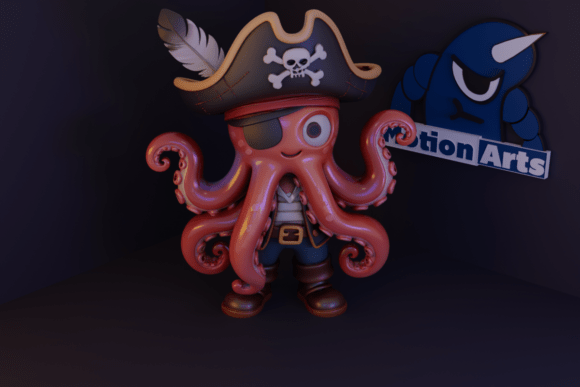
Pirate Octopus Cartoon 3D Model for 3D Printing
The Pirate Octopus Cartoon 3D Model for 3D Printing is a versatile and engaging design that brings a whimsical, nautical character to life in digital and physical formats. This model is ideal for creators, educators, hobbyists, and entrepreneurs looking to integrate fun and creativity into their projects. With its cartoonish style, simplified geometry, and clear structure, it’s an excellent choice for those new to 3D printing or seeking a reliable, easy-to-print asset.
Designed with a focus on usability, the model features rounded tentacles, a mischievous expression, and classic pirate accessories like a hat and eye patch. These elements contribute to its charm while ensuring it remains functional for 3D printing. The design balances detail with practicality, making it suitable for a wide range of applications—from educational tools to decorative items and collectibles.
Where It Fits in a Broader Process
The Pirate Octopus Cartoon 3D Model can be integrated at various stages of a project, whether you're working on a personal creative endeavor, a business venture, or an educational activity. Before starting a project, the model can serve as a reference or inspiration for character design. During development, it can act as a base for modifications, customizations, or prototyping. After printing, it can be used as a finished product for display, distribution, or further refinement.
This model is particularly useful when planning a 3D printing workflow. Its STL format ensures compatibility with most 3D printers and slicing software. The need for support structures means users should prepare accordingly, but the overall ease of printing makes it accessible even for beginners. For those working in teams or collaborative environments, the model can be shared and adapted to fit specific needs, enhancing efficiency and consistency across projects.
Use Cases and Practical Applications
The Pirate Octopus Cartoon 3D Model is well-suited for a variety of use cases. In educational settings, it can be used to teach students about 3D modeling, printing, and design principles. Teachers and educators can incorporate it into lessons on anatomy, art, or engineering, using it as a hands-on example of how digital designs translate into physical objects.
For hobbyists and makers, the model offers a fun and rewarding project. Whether creating a collection of cartoon characters or experimenting with different materials and finishes, the pirate octopus provides a solid foundation for creativity. Its beginner-friendly nature makes it an excellent starting point for those exploring 3D printing for the first time.
Entrepreneurs and small business owners can also benefit from this model. It can be used to create custom merchandise, such as keychains, figurines, or promotional items. By leveraging the model’s simplicity and appeal, businesses can quickly produce high-quality products without the need for complex design work. This makes it an efficient solution for those looking to expand their offerings or test new ideas.
Integration with Other Tools and Resources
The Pirate Octopus Cartoon 3D Model works well with a range of tools and resources commonly used in 3D printing workflows. When paired with slicing software like Cura or PrusaSlicer, users can optimize print settings, adjust layer heights, and manage support structures effectively. These tools help ensure that the final print meets quality standards and aligns with the user's expectations.
For those who want to modify the model, it can be imported into 3D modeling software like Blender or Tinkercad. This allows for customization, such as adding textures, changing proportions, or integrating the octopus into larger scenes. The model’s clean geometry makes it easier to edit, reducing the learning curve for users who are not experienced in 3D modeling.
Additionally, the model can be part of a broader collection of 3D assets. By organizing files in a structured manner, users can streamline their workflow and quickly access the models they need. This is especially useful for professionals managing multiple projects or individuals building a library of printable designs.
Implementation Tips and Workflow Examples
To get the most out of the Pirate Octopus Cartoon 3D Model, consider the following implementation tips:
- Preparation: Ensure your 3D printer is properly calibrated and your printing environment is stable. A clean build plate and consistent temperature settings can improve print quality.
- Support Structures: Since the model requires support, plan for post-processing to remove any excess material. Using soluble supports can make this step easier and reduce the risk of damaging the printed object.
- Material Selection: Choose a filament that suits your project’s needs. PLA is ideal for beginners due to its ease of use, while more advanced users might opt for flexible or durable materials.
- Testing: Print a small section of the model first to check for alignment, scaling, and structural integrity. This helps identify and resolve issues before committing to a full print.
A typical workflow might involve downloading the STL file, importing it into slicing software, adjusting settings, and initiating the print. Once completed, the model can be cleaned, painted, or assembled with other components. For those interested in sharing or selling their prints, adding personalized details or packaging can enhance the final product’s appeal.
Long-Term Use and Quality Control
When using the Pirate Octopus Cartoon 3D Model over time, maintaining quality and consistency is essential. Regularly inspecting prints for defects, such as warping or layer shifting, can help identify issues early. Keeping a record of successful print settings and adjustments can also improve future results.
For users who plan to reuse the model in multiple projects, storing it in a well-organized file system ensures easy access. Backing up the original file and any modified versions can prevent data loss and provide a reference for future edits. Additionally, staying updated on 3D printing trends and technologies can help users adapt the model to new tools and techniques.
Ultimately, the Pirate Octopus Cartoon 3D Model is more than just a printable design—it’s a tool that can enhance creativity, education, and productivity. By understanding its capabilities and integrating it into existing workflows, users can unlock new possibilities and bring their ideas to life with ease.